
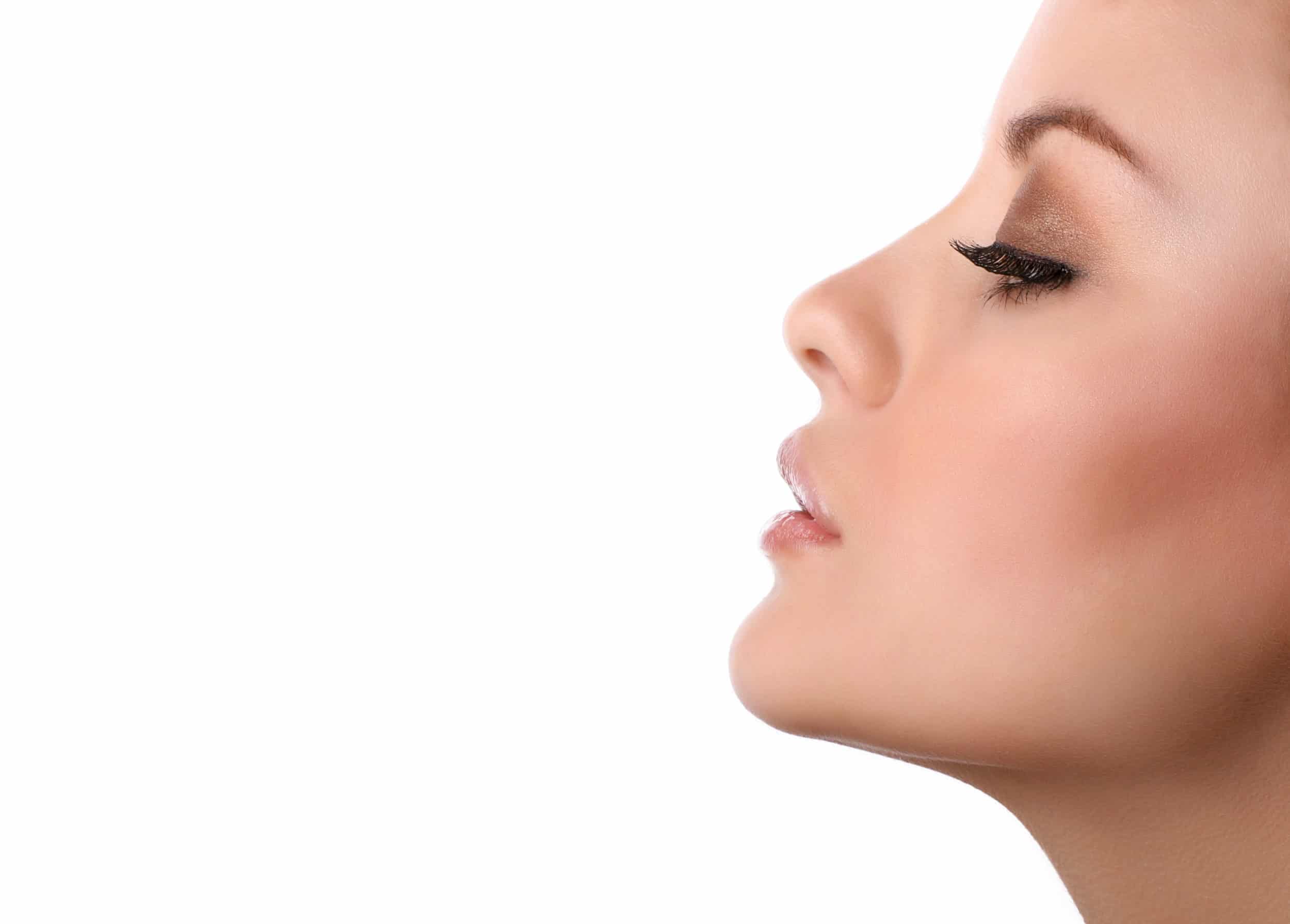
The nose is one of the most defining features of the face, playing a major role in overall facial harmony and balance. Even small changes in its shape can significantly enhance appearance and boost confidence. This is why rhinoplasty has become one of the most sought-after cosmetic procedures worldwide, especially in advanced aesthetic destinations like Dubai.
With modern surgical techniques and highly individualized approaches, patients today can choose from different types of nose reshaping procedures based on their goals, anatomy, and functional needs. Understanding these options is essential before making a decision.
In this comprehensive guide, we explore the main types of rhinoplasty and what makes the Rhinoplasty dubai approach so advanced and popular among patients seeking natural-looking results.
Understanding Rhinoplasty: More Than Just Cosmetic Surgery
Rhinoplasty, commonly known as a nose job, is a surgical procedure designed to reshape the nose for aesthetic improvement, functional correction, or both. It can address:
- Nose size and proportion
- Nasal bridge shape
- Tip definition
- Nostril width
- Breathing difficulties
Modern rhinoplasty is not about creating a “perfect nose,” but rather achieving facial balance that suits each individual’s unique features.
Consultation with an experienced specialist such as Dr. Shahram Sajjadi ensures that the surgical plan is customized for both aesthetic harmony and functional improvement.
Why Rhinoplasty Is So Popular in Dubai
Dubai has become a leading destination for cosmetic surgery due to its:
- Advanced medical technology
- Internationally trained surgeons
- High safety standards
- Focus on natural-looking aesthetic outcomes
Patients seeking the Rhinoplasty dubai experience benefit from a combination of medical expertise and artistic precision that prioritizes facial balance.
Types of Rhinoplasty Procedures
There is no single approach to nose reshaping. Different techniques are used depending on the patient’s goals and nasal structure. Below are the most common types of rhinoplasty procedures.
1. Open Rhinoplasty
Open rhinoplasty is one of the most widely used techniques for complex nasal reshaping. In this procedure, a small incision is made across the columella (the tissue between the nostrils), allowing the surgeon to lift the skin and access the nasal structure directly.
When it is used:
- Significant reshaping required
- Complex structural corrections
- Revision surgeries
Advantages:
- Full visibility of nasal anatomy
- High precision for complex changes
- Better control for detailed reshaping
This method is often preferred when major structural adjustments are needed to achieve balanced results.
2. Closed Rhinoplasty
Closed rhinoplasty involves making all incisions inside the nostrils, meaning there are no visible external scars. This technique is typically used for less complex corrections.
When it is used:
- Minor nasal adjustments
- Small hump removal
- Slight tip refinement
Advantages:
- No visible scarring
- Shorter recovery time
- Less swelling compared to open technique
It is a popular choice for patients seeking subtle refinements rather than major changes.
3. Revision Rhinoplasty
Revision rhinoplasty is performed to correct or improve the results of a previous nose surgery. It is often more complex due to altered nasal structures and scar tissue.
When it is used:
- Unsatisfactory previous rhinoplasty results
- Breathing issues after surgery
- Structural irregularities
Advantages:
- Restores both function and appearance
- Corrects asymmetry or deformities
- Improves patient satisfaction
Revision cases require high surgical expertise and careful planning.
4. Ethnic Rhinoplasty
Ethnic rhinoplasty focuses on enhancing the nose while preserving the patient’s ethnic identity. The goal is not to change facial heritage but to refine features in a natural and balanced way.
When it is used:
- Patients seeking subtle refinement
- Preservation of ethnic facial characteristics
- Structural enhancement without over-correction
Advantages:
- Maintains natural identity
- Customized approach for diverse nasal structures
- Balanced and harmonious results
This approach is highly personalized and culturally sensitive.
5. Functional Rhinoplasty
Functional rhinoplasty focuses primarily on improving breathing and nasal airflow rather than cosmetic appearance. However, aesthetic improvements are often achieved simultaneously.
When it is used:
- Deviated septum
- Chronic breathing difficulty
- Nasal obstruction
Advantages:
- Improved breathing function
- Better sleep quality
- Enhanced quality of life
Functional correction is often combined with cosmetic refinement for optimal results.
6. Tip Plasty
Tip plasty is a specialized form of rhinoplasty that focuses only on reshaping the nasal tip. It is ideal for patients who are satisfied with their nasal bridge but want refinement in tip shape.
When it is used:
- Bulbous nasal tip
- Drooping or asymmetrical tip
- Lack of definition
Advantages:
- Minimal surgical intervention
- Faster recovery
- Subtle but noticeable improvement
It is one of the most refined and targeted forms of nasal surgery.
7. Non-Surgical Rhinoplasty
Non-surgical rhinoplasty uses dermal fillers to temporarily reshape the nose without surgery. While results are not permanent, it is an option for patients seeking minor adjustments.
When it is used:
- Small bumps or irregularities
- Temporary enhancement before surgery
- Patients avoiding surgery
Advantages:
- No downtime
- Quick procedure
- Immediate results
However, it does not replace surgical rhinoplasty for long-term or structural changes.
Choosing the Right Type of Rhinoplasty
Selecting the right procedure depends on several factors:
- Nasal anatomy
- Aesthetic goals
- Breathing function
- Skin thickness
- Previous surgeries
A detailed consultation is essential to determine the most suitable approach. Surgeons carefully evaluate facial proportions to ensure natural harmony rather than isolated changes.
The Importance of Surgeon Expertise
Rhinoplasty is one of the most technically demanding cosmetic surgeries. Even minor adjustments can significantly affect facial balance. That is why surgeon expertise plays a critical role in outcomes.
Experienced specialists such as Dr. Shahram Sajjadi focus on:
- Precision-based surgical planning
- Natural-looking results
- Preservation of nasal function
- Customized techniques for each patient
This combination of science and artistry is what defines successful rhinoplasty results.
Recovery After Rhinoplasty
Recovery varies depending on the technique used, but general expectations include:
- Swelling and bruising for the first 1–2 weeks
- Nasal splint for support
- Gradual improvement over several months
- Final results visible after full healing
Patients are advised to avoid strenuous activities and follow post-operative care instructions carefully.
Long-Term Results
Rhinoplasty results are permanent once healing is complete. However, final shape refinement continues subtly over time as swelling fully resolves.
Maintaining realistic expectations and following medical guidance ensures long-lasting satisfaction.
Conclusion
Rhinoplasty is a highly versatile procedure that offers both aesthetic and functional benefits. With multiple techniques available—from open and closed rhinoplasty to revision and functional procedures—patients can choose a solution tailored to their unique needs.
The Rhinoplasty dubai experience is especially renowned for its advanced medical standards, artistic surgical approaches, and emphasis on natural results. Whether the goal is subtle refinement or complex reconstruction, success depends on choosing the right technique and an experienced surgeon.
Consulting a skilled specialist such as Dr. Shahram Sajjadi ensures that every procedure is carefully planned to achieve facial harmony, improved function, and long-term satisfaction.
FAQs
1. What is rhinoplasty?
Rhinoplasty is a surgical procedure that reshapes the nose for cosmetic improvement, functional correction, or both.
2. What are the main types of rhinoplasty?
The main types include open, closed, revision, ethnic, functional, tip plasty, and non-surgical rhinoplasty.
3. How do I know which rhinoplasty is right for me?
A consultation with a qualified surgeon helps determine the best technique based on your nasal structure and goals.
4. Is rhinoplasty painful?
Discomfort is usually mild and manageable with prescribed medication.
5. How long does recovery take?
Initial recovery takes 1–2 weeks, while full results may take several months to appear.
6. Can rhinoplasty improve breathing?
Yes, functional rhinoplasty can correct structural issues that affect breathing.
7. Are rhinoplasty results permanent?
Yes, results are long-lasting once healing is complete.